

Exploring the psychological triggers that influence gambling behavior
The Nature of Gambling Behavior
Gambling behavior is complex and multifaceted, often influenced by a variety of psychological triggers. Many individuals gamble for entertainment, seeking thrills and excitement. However, the psychology behind why people are drawn to gambling extends beyond mere enjoyment. Factors such as risk-taking tendencies, the allure of potential rewards, and the social environment all play a role in shaping gambling behavior. Understanding these influences can help individuals engage in responsible gaming practices, such as visiting mafiacasino-official.org for a safe experience.
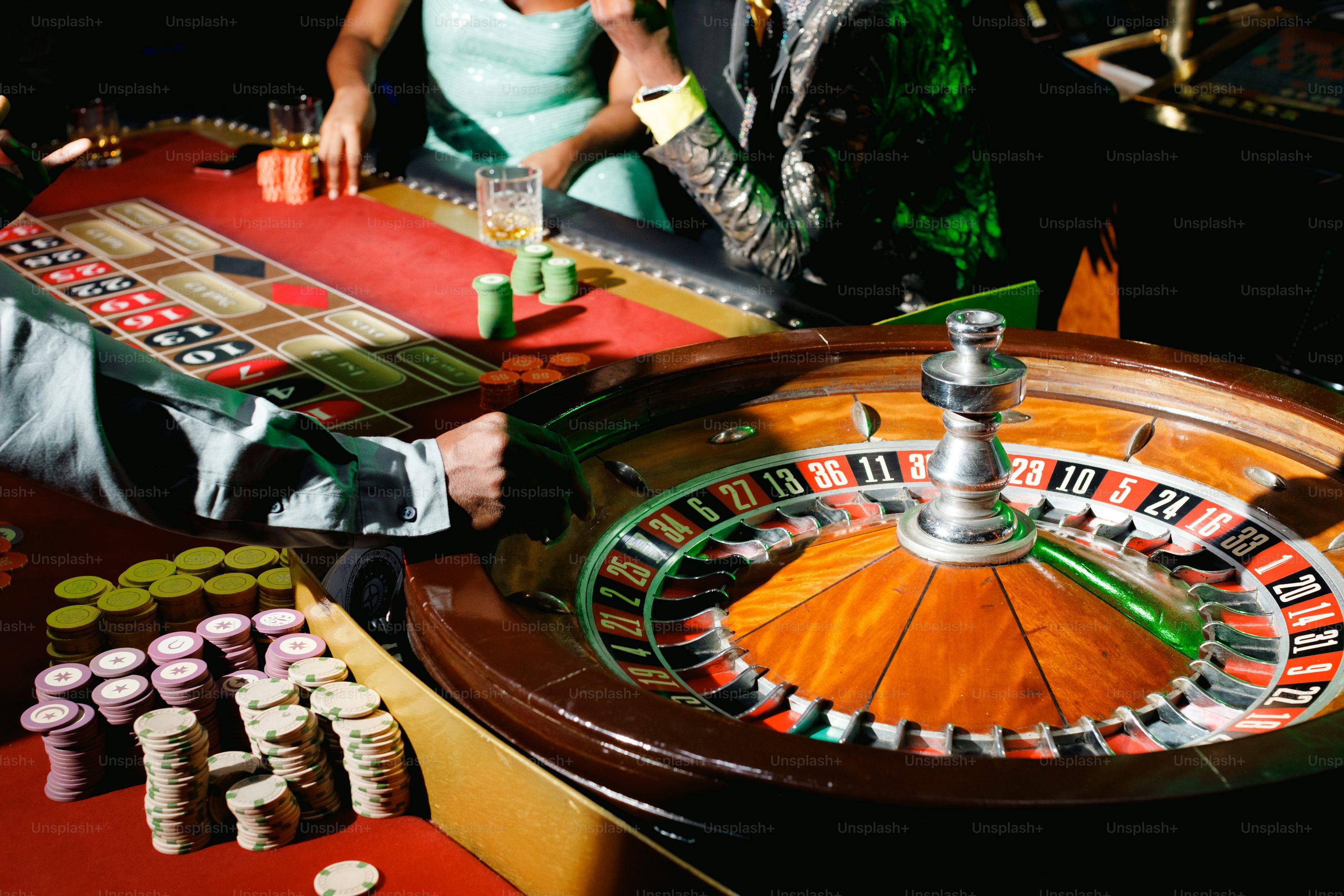
From a psychological standpoint, gambling can serve as an escape from reality. For some, the stress and pressures of daily life can lead to a craving for a stimulating experience, and gambling offers that escape. The adrenaline rush experienced when placing bets or spinning a slot machine can create a temporary sense of relief from life’s challenges. This escape mechanism can be a significant trigger for individuals, making it crucial to recognize the underlying motivations behind their gambling activities.
Moreover, cognitive biases such as the illusion of control can significantly impact gambling behavior. Gamblers often believe they can influence the outcome of games of chance through their choices and strategies. This cognitive distortion can lead to persistent gambling, even in the face of significant losses. Recognizing these psychological traps is essential for promoting responsible gambling and mitigating the risk of problematic gambling behavior.
The Role of Emotions in Gambling
Emotions are powerful drivers of human behavior, and they play a pivotal role in gambling as well. Many gamblers report that their emotions significantly influence their decisions at the betting table or online casino. Positive emotions such as excitement and joy can lead to increased betting, while negative emotions like stress and sadness may trigger a desire to gamble as a coping mechanism. This emotional connection to gambling highlights the need for individuals to be aware of their emotional states when engaging in gaming activities.
Research suggests that emotional arousal can enhance the gambling experience, often leading individuals to take greater risks. For example, a gambler who feels euphoric after a win might increase their bets in a bid to chase further rewards. Conversely, feelings of despair following a loss can drive individuals to gamble in an attempt to regain their losses. This emotional rollercoaster underscores the necessity for self-awareness in gambling contexts, enabling players to make more rational decisions.
Furthermore, the social dynamics surrounding gambling can amplify emotional responses. The presence of friends or peers can heighten excitement levels and lead to impulsive decisions. Social gambling environments, such as casinos, often promote a communal atmosphere where emotions run high. Understanding the interplay between emotions and gambling behavior is critical for fostering responsible gaming practices and ensuring that players maintain control over their actions.
Behavioral Conditioning and Gambling
Behavioral conditioning is a psychological principle that can significantly impact gambling behavior. The concept involves learning through reinforcement, where behaviors are shaped by their consequences. In gambling, the intermittent reinforcement schedule—where wins occur sporadically—creates a powerful conditioning effect. This unpredictable reward system can lead to repeated gambling behavior, as players become conditioned to expect a win at any moment, often ignoring the overall odds.
This reinforcement phenomenon is particularly evident in slot machines and other electronic games, where lights, sounds, and visual effects create an engaging environment. The thrill of winning is often accompanied by instant gratification, reinforcing the gambling behavior further. As players experience these rewards, their brain releases dopamine, a neurotransmitter associated with pleasure, reinforcing their desire to continue gambling. Understanding this dynamic is crucial for recognizing potential risks associated with gambling.
Moreover, habitual gamblers can develop a tolerance to this reinforcement, similar to addiction patterns observed in substance use disorders. As individuals gamble more, the initial excitement may diminish, leading them to increase their stakes or seek out more intense gambling experiences. This escalation can create a cycle that is difficult to break, highlighting the importance of recognizing the role of behavioral conditioning in gambling habits.
The Impact of Cognitive Distortions
Cognitive distortions can heavily influence gambling behavior, leading individuals to adopt unrealistic beliefs about their odds of winning. Common cognitive distortions in gambling include overestimating the likelihood of winning and underestimating the risk of loss. This skewed perception often leads to a misguided sense of confidence, prompting gamblers to place larger bets or engage in riskier behaviors without fully understanding the consequences.
For instance, the gambler’s fallacy, the belief that past events can influence future outcomes, is a prevalent cognitive distortion. A player who has lost several times may assume that a win is “due” to happen soon. This belief can lead to continued gambling despite mounting losses. Recognizing and challenging these cognitive distortions is essential for individuals aiming to engage in responsible gaming practices.
Additionally, social influences can exacerbate cognitive distortions. Peer pressure, social proof, and media portrayals of gambling can shape an individual’s beliefs about the likelihood of winning. This can create an environment where unrealistic expectations thrive, pushing individuals further into problematic gambling behavior. Addressing these cognitive biases is vital for promoting healthier attitudes toward gambling and ensuring informed decision-making.

Mafia Casino: A Safe Gaming Experience
Mafia Casino provides an exciting platform for players to enjoy a diverse range of gaming options while emphasizing responsible gaming. Launched in 2025, this online casino is committed to creating a secure environment for gamblers. With a robust international gaming license, Mafia Casino ensures that all transactions are safe and fair, allowing players to focus on the enjoyment of the experience.
In addition to offering a wide selection of slots, table games, and live events, Mafia Casino prioritizes player welfare. The platform includes features that encourage responsible gaming, such as self-exclusion options, betting limits, and access to helpful resources for those seeking support. By fostering a culture of responsible gaming, Mafia Casino aims to provide an enjoyable experience while mitigating the potential risks associated with gambling.
With a welcoming bonus of 100% up to €500 and 200 free spins, Mafia Casino enhances the gaming experience for new players. Coupled with 24/7 customer support and regular promotions, players can fully immerse themselves in a global entertainment landscape while being mindful of their gaming habits. Whether you are a casual player or a seasoned gambler, Mafia Casino is dedicated to providing a responsible gaming environment that prioritizes player safety and enjoyment.
